
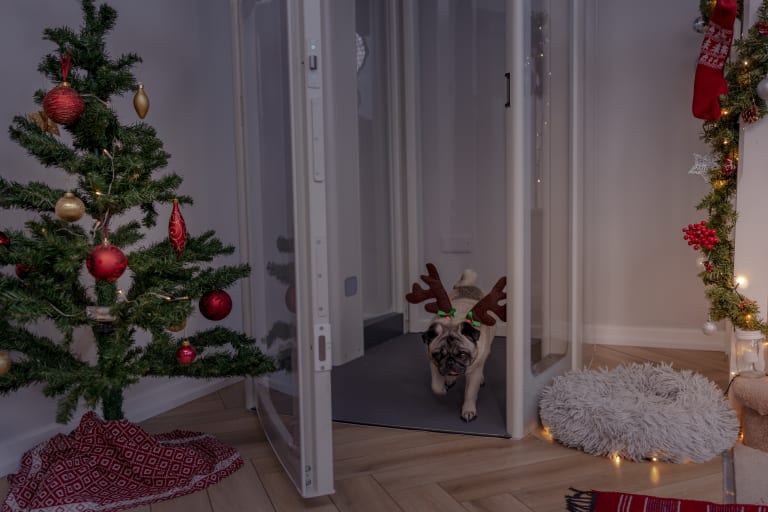
The festive season is a time for family, warmth and connection. For many of us, it’s one of the few times we get to slow down and spend meaningful time with loved ones. But as we gather around the tree and share stories over dinner, Christmas can also gently highlight changes we may not have noticed before, especially when it comes to an older relative’s mobility, particularly if we haven’t seen them much throughout the year.
Subtle signs of ageing, such as hesitating before using the stairs, holding the bannister a little tighter, or avoiding certain rooms altogether, can indicate that loved ones could be finding it more difficult to move around at home.
Subtle signs that someone may be struggling with stairs
Mobility challenges often appear gradually, and the signs of ageing appear over a period of time. Here are a few subtle but important signs to look out for this Christmas when spending time with loved ones:
Hesitation or anxiety on the stairs – They may pause more often, grip the rail tightly, or appear nervous when climbing or descending stairs.
Spending more time downstairs – If the downstairs living room seems to have become their main base, or they avoid going upstairs to rest or change, it may be because the stairs feel unsafe or exhausting.
Increased fatigue or breathlessness – Struggling for breath or needing to rest halfway up can be a key indicator that the stairs are becoming a barrier.
Minor trips or balance issues – Even a small stumble can knock confidence and increase the risk of falls in the future.
Changes in routine – A loved one might delay bedtime, avoid showers or reduce trips upstairs to limit how often they need to tackle the stairs, so looking out for a change in routine is key.
Recognising these signs early means you can start a caring conversation and explore ways to make their home safer and more comfortable, as well as keeping your loved one's independence and dignity.
Opening the conversation gently
It can feel difficult to raise the subject of mobility or home adaptations, especially if your loved one is proud of their independence. But approaching the topic with empathy can make all the difference. Try to:
Focus on comfort and safety, not loss of independence.
Share observations with care, for example, ‘I’ve noticed you seem more tired after the stairs lately. Are they starting to feel a bit difficult?’
Offer reassurance that support options like homelifts are designed to make life easier, not take away freedom.
This Christmas is the perfect time to check in and ensure their home remains a place of joy, not a source of worry.
How a homelift can make a difference
Installing a homelift can truly transform daily life, offering a simple, stylish and future-proof way to move between floors safely, without compromising independence or comfort. It’s one of the most thoughtful home mobility aids to consider for a loved one who’s beginning to show signs of ageing or struggling with the stairs.
In a recent survey of over 1,000 people, we asked which features and benefits matter most when making home modifications for improved mobility. The results were clear: safety ranked as a top priority, with more than a third of respondents saying it was essential. That’s exactly what a homelift provides: reliable, everyday reassurance that moving around the home remains both easy and safe.
For many families, it also brings invaluable peace of mind. Knowing a loved one can continue living comfortably in the home they love, without risk or restriction, is a gift that goes far beyond convenience. And thanks to compact, space-saving designs and whisper-quiet operation, today’s homelifts blend beautifully into any home, often taking up no more space than a wardrobe.
Whether your loved one wants to regain confidence on the stairs or future-proof their home for years to come, a homelift offers lasting comfort, safety and independence, the kind of thoughtful change that can make all the difference long after the festive season ends.
Discover how our homelift features are designed with safety and peace of mind at heart. Read our latest blog: the homelift features that keep you and your loved ones safe.
A thoughtful gift that lasts
This Christmas, as you share gifts, laughter and time together, take a moment to notice how your loved ones are really coping. If the stairs have become a silent struggle, acknowledging it with kindness could be the first step toward helping them feel safe, independent and happy at home again.
At Uplifts, we’re here to help families find thoughtful, practical solutions that make life easier. Our homelifts are designed with comfort, safety and style in mind so your loved one can keep enjoying every level of their home for years to come. Contact a homelift specialist today.