
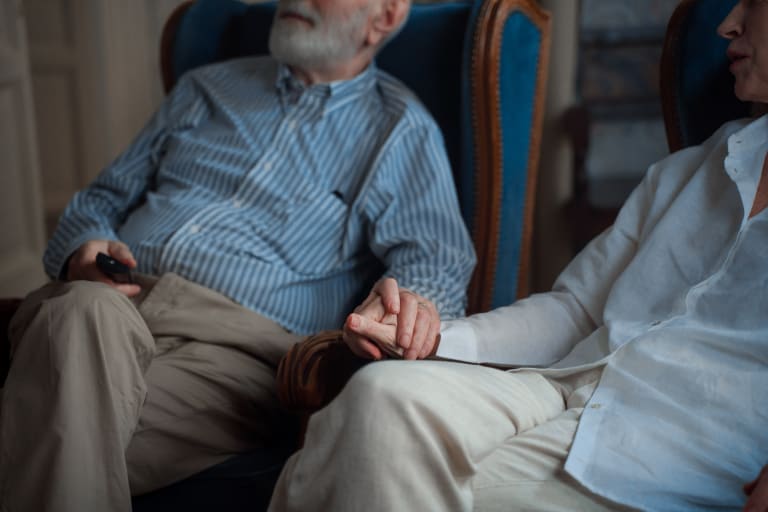
As we grow older, it is common to hear people talk about completing a “bucket list”. Things like travelling to remarkable places, taking on adventurous challenges or finally doing the things they have always promised themselves they would do. For some, that idea is exciting and motivating, for others, it may feel unrealistic or simply not right for them.
The more useful question is not, “what single activity should everyone do?” but rather, “what gives life purpose, enjoyment and connection as circumstances change?” Ageing well is not about following one universal formula. It is about continuing to recognise, protect and prioritise the things that are meaningful to them.
Healthy habits matter, but they are not the whole story
There are, of course, many important habits that help support health and independence in later life.
Regular cardio and strength exercise
A balanced diet and ample hydration
Maintaining a regular sleep pattern
Keeping the mind active and engaged
Making sure we use preventative healthcare, including check-ups, especially regular hearing and sight tests.
These things are valuable. They help us stay well and independent. But on their own, they do not fully explain what makes life feel rich, worthwhile and enjoyable as we age.
For many people, staying independent at home is also an important part of ageing well. Willingness to futureproof and adapt our home, routines, technology and support systems as our needs change can help us continue living comfortably at home, for longer. This may include making everyday spaces easier to navigate, or installing a home lift to ensure every room remains accessible as our needs evolve.
Simple adaptations and forward planning can help ensure that our homes continue to support the lifestyles, routines and activities that matter most to us.
The importance of meaning and connection
The years 2020 and 2021 gave many people a stark reminder of what happens when choice, freedom and social contact are suddenly restricted. The pandemic affected our physical health, but it also had a profound impact on our mental wellbeing. For many, the hardest part was not the fear of illness, it was the loss of being able to engage in ordinary, meaningful activities.
People missed meeting friends, visiting family, watching or playing sports, going to the theatre or cinema, shopping, volunteering, attending groups and simply being part of everyday community life. These activities were not always grand or dramatic, many were small, familiar and routine, yet their absence showed how deeply they mattered to each and every one of us.
The thread running through all of this is: meaning. Meaningful activity gives people a reason to get up, take part, contribute, connect and look forward. It may involve family, friendship, creativity, faith, learning, work, volunteering, sport, nature, culture or quiet personal routines. What matters is not whether the activity looks impressive to someone else, but whether it matters to us as individuals.
Research into ageing and wellbeing supports this idea, that purposeful activity, social engagement and community-based participation are all associated with better psychological, cognitive, social and physical outcomes in later life.
Meaning also helps us stay connected. It links us to other people, to places, to memories, to identity and to possibility. It can motivate us to keep moving, keep learning, keep adapting and keep participating. In that sense, meaningful activity is not an optional extra, it is part of what sustains all our wellbeing.
Living with purpose at every stage of life
So, if there is one thing we should do as we age, it is this: stay close to what gives life meaning to you. That may be one activity or many, it may change over time, it may need to be adapted as our own health and circumstances change, but it should remain central.
Ageing well is not only about living longer or staying busy. It is about continuing to live with purpose, connection and enjoyment. When people are supported to do what matters to them and have homes that continue to meet their changing needs (whether through thoughtful adaptations or the addition of a homelift), life can remain active, fulfilling and enriched at every stage.
About Kate Sheehan:
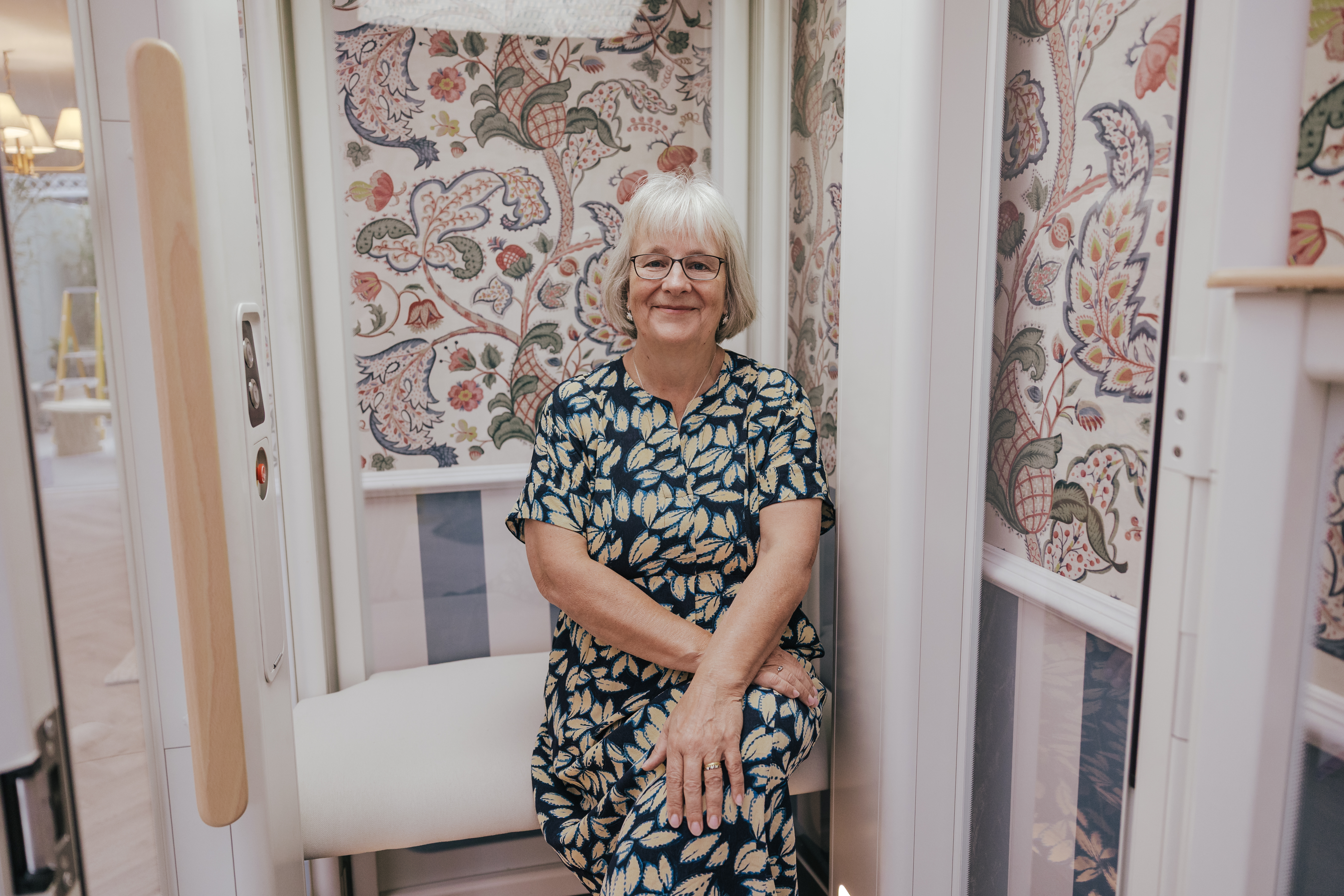
Kate Sheehan has nearly 40 years of professional experience. As a Director of KS Occupational Therapy Services, she provides consultancy services to businesses, retailers and manufacturers, alongside education and training for occupational therapists. She has presented on housing standards, inclusive design and equipment at major national and international occupational therapy events. She co-authored the Wheelchair Housing Design Guide and was a peer reviewer for The Inclusive Housing Design Guide 2024. She was awarded a Fellowship of the Royal College of Occupational Therapists in 2022 and an Honorary Fellowship from the University of Worcester in 2023.
Share article: